Flat and Low-Slope Roofs Need Different Materials
Rubber Roofing in Potosi for garages, additions, and buildings where water cannot drain by gravity alone
Shinglers Roofing LLC installs rubber roofing systems on low-slope and flat residential structures throughout Potosi, including detached garages, enclosed porches, and home additions. You receive a watertight membrane that resists pooling water, UV exposure, and temperature swings without relying on shingle overlap or steep pitch to move water off the surface.
Rubber roofing, often referred to as EPDM, is a synthetic material rolled out in large sheets and bonded to the roof deck with adhesive or mechanically fastened along seams. The seams are sealed with tape or liquid adhesive to prevent water infiltration. Because the material is flexible, it expands and contracts with temperature changes without cracking or splitting, which makes it well-suited to the freeze-thaw cycles common in southwest Wisconsin.
If you are adding a room to your home or replacing a failing flat roof on a garage, contact Shinglers Roofing LLC to discuss membrane options and installation methods.
What Rubber Roofing Delivers Over Time
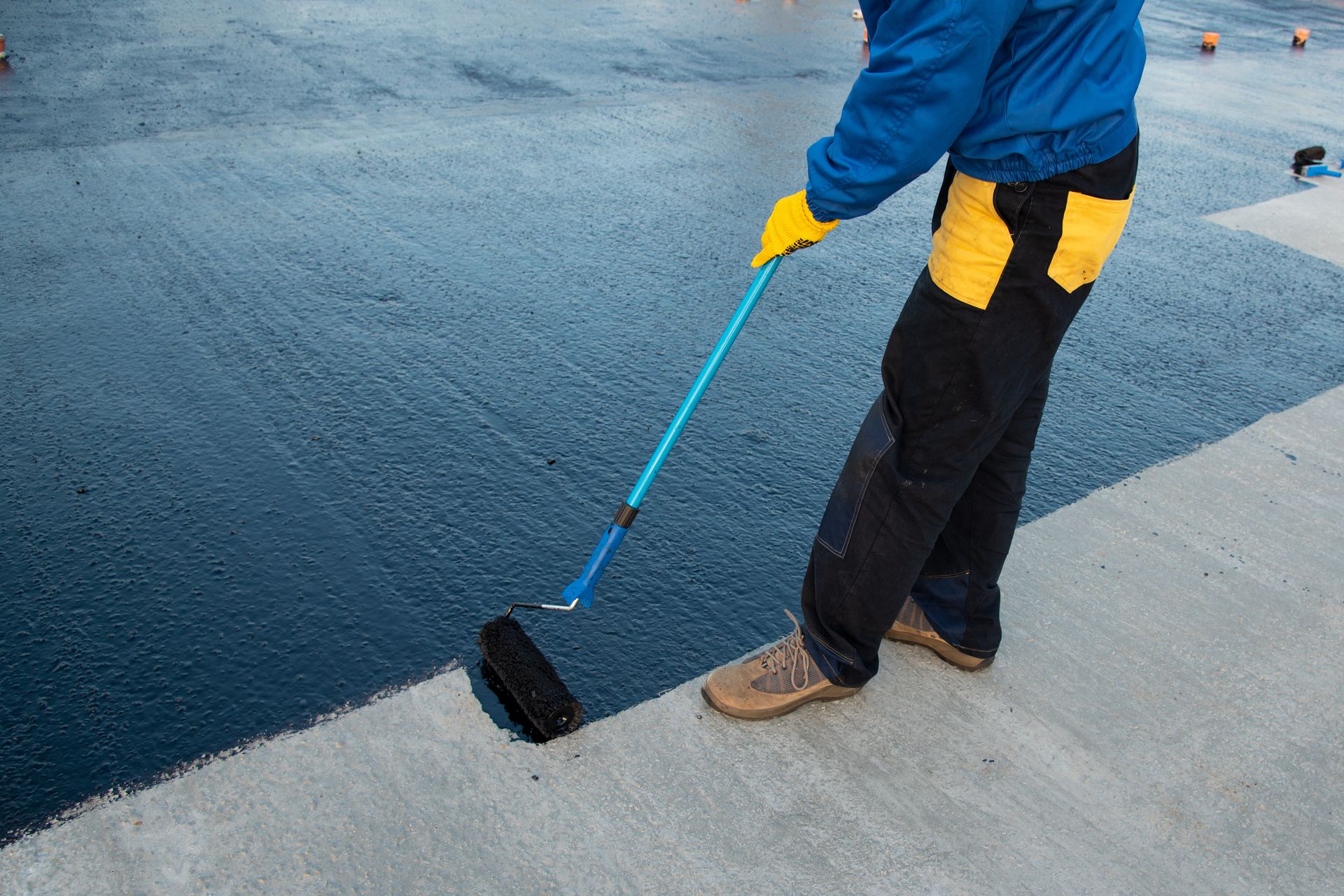
You will see a single-ply membrane stretched across the roof deck, trimmed to fit, and secured along edges and penetrations. Shinglers Roofing LLC installs flashing at parapet walls, ensures proper drainage slope toward scuppers or gutters, and seals all seams to create a continuous water barrier. The surface is smooth, dark, and resistant to punctures from hail or falling branches.
Once installed, your flat roof will no longer develop leaks from standing water or ice buildup. You will notice that water drains toward designated outlets instead of pooling in low spots, and the interior ceiling below will remain dry even during heavy rain or snowmelt. Rubber membranes typically last twenty to thirty years with minimal maintenance, requiring only occasional inspections to check seam integrity and clear debris from drains.
EPDM is available in black and white, with white membranes reflecting more sunlight and reducing cooling costs in summer. The material is also suitable for some commercial buildings, though residential applications typically involve smaller footprints and simpler layouts. Rubber roofing is not recommended for roofs with significant foot traffic unless protective walkway pads are installed over high-use areas.
What to Know About Rubber Roof Performance
Homeowners often ask about lifespan, maintenance, and how rubber compares to other flat roof materials.
Shinglers Roofing LLC evaluates your building's slope, drainage, and intended use to recommend the right membrane type and installation method. Schedule a consultation to discuss your flat roof project and receive a detailed estimate.
How long does a rubber roof last?
EPDM membranes typically perform for twenty to thirty years when installed correctly and kept free of debris that can block drainage.
What maintenance does a rubber roof require?
You should inspect seams annually, clear drains and scuppers of leaves, and check for punctures or lifting at edges after storms.
Why is rubber better than rolled asphalt for flat roofs?
Rubber remains flexible in cold weather and resists cracking, while rolled asphalt becomes brittle and prone to splitting as it ages.
When should I choose white EPDM over black?
White membranes reduce heat absorption and can lower attic temperatures in summer, which is helpful if the space below is conditioned or used for storage.
How does rubber roofing perform in Potosi winters?
EPDM handles freeze-thaw cycles well because it flexes rather than cracks, and it sheds ice more predictably than some other flat roof materials.