Find the Source Before Damage Spreads
Roof Leak Detection in Potosi for locating hidden water entry points that cause ceiling stains, mold growth, and structural decay
Shinglers Roofing LLC offers roof leak detection for homeowners in Potosi who are dealing with persistent or intermittent water intrusion that defies simple visual inspection. You may see a ceiling stain that appears only after heavy rain, notice damp insulation in the attic, or smell mildew in a second-floor bedroom without any obvious roof damage. Detailed inspection methods locate the actual entry point, even when water travels along rafters or sheathing before dripping into living spaces.
Leak detection involves tracing moisture paths, checking flashing around chimneys and skylights, examining shingle overlaps, and inspecting areas where roof planes intersect. In Potosi, ice dams and wind-driven rain often force water under shingles or through nail holes, creating leaks that only appear under specific weather conditions. Identifying the source prevents ongoing damage to drywall, framing, and electrical systems, and supports both repair planning and emergency service workflows.
If you are struggling to locate the cause of a leak or need confirmation before starting repairs, schedule a leak detection service to pinpoint the problem and guide your next steps.
How Leak Detection Works in Practice
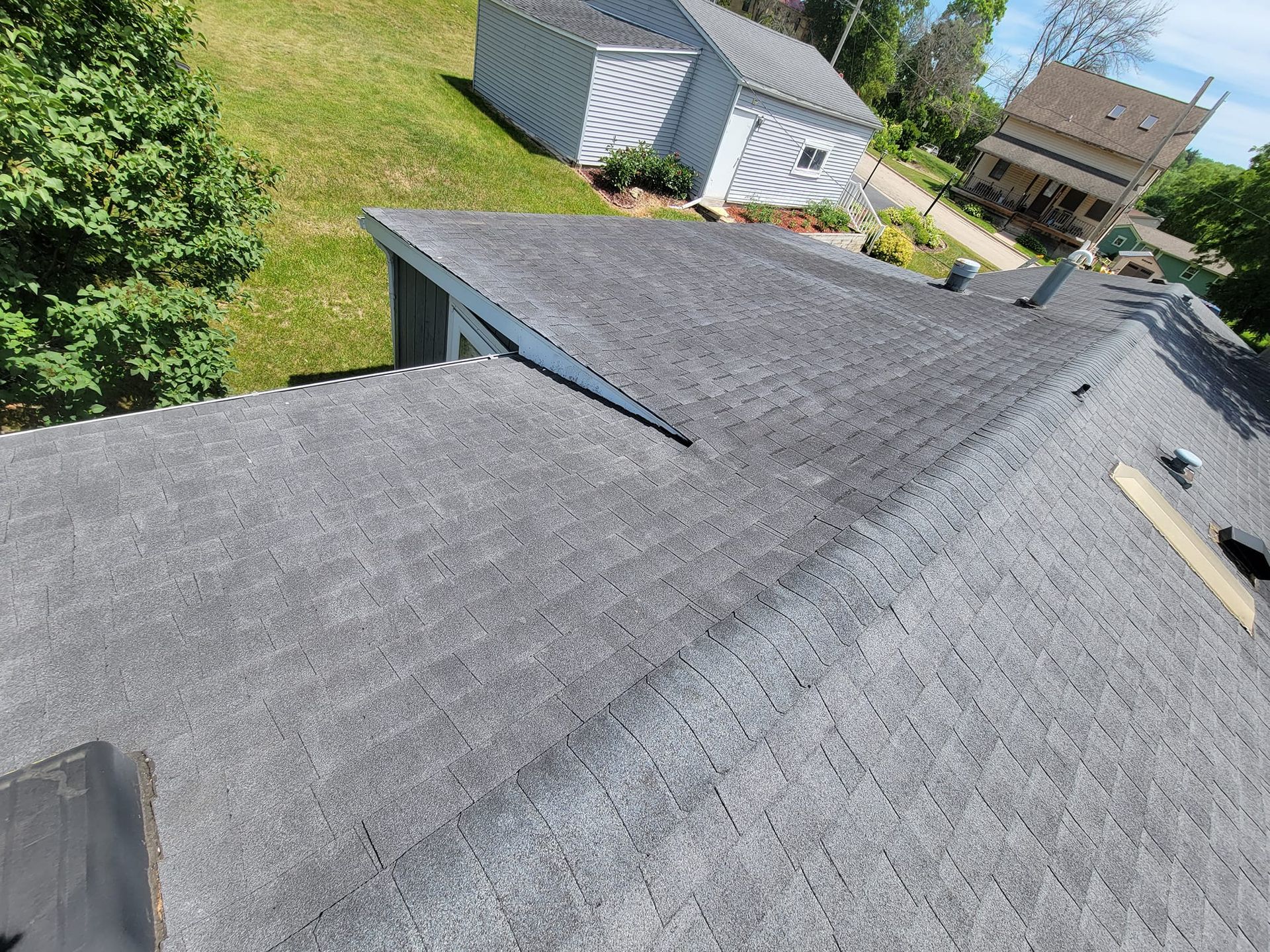
Your leak detection service begins with a review of where and when the water appears inside your home. The technician inspects the roof surface for damaged shingles, worn sealant, and gaps in flashing, then examines the attic for moisture stains on rafters, wet insulation, and mold growth. Water testing may be used in cases where the entry point is not visibly obvious, allowing the inspector to simulate rain and observe where water penetrates.
Once the source is identified, you will receive a clear explanation of how water is entering, what path it follows before becoming visible, and what repair is required to stop it. Shinglers Roofing LLC provides documentation that includes photographs of the damaged area, measurements, and a written summary that supports contractor estimates or insurance claims. You also learn whether the leak is isolated to one spot or part of a larger system failure.
Detection appointments typically last one to two hours depending on roof complexity and the number of potential entry points. The service does not include repairs, but it eliminates guesswork and ensures that you address the actual problem rather than treating symptoms. If the leak originates from a plumbing vent, chimney, or skylight, the inspector will note the specific component that needs attention.
Understanding Hidden Roof Leaks
Homeowners often ask why leaks are hard to find, what causes intermittent drips, and how to prevent recurring issues.
For persistent or hard-to-locate roofing leaks, contact Shinglers Roofing LLC to arrange a detection service that identifies the source and gives you the information needed to stop the damage.
Why do ceiling stains appear far from the roof damage?
Water follows the slope of rafters and sheathing, traveling horizontally before dripping through insulation and drywall, so the visible stain may be several feet away from the actual breach.
What are the most common hidden leak sources in Potosi?
Ice dams, failed step flashing along dormers, cracked rubber boots around vent pipes, and wind-driven rain that forces water under shingle edges during storms are frequent culprits.
How do you test for a leak when it only appears during heavy rain?
The technician may use a garden hose to saturate suspected areas while observing the attic from inside, or wait for the next rain event and mark the wet spot immediately to trace the source.
When should you replace the entire roof instead of patching a leak?
Replacement makes sense when shingles are nearing the end of their lifespan, multiple leaks exist, or the roof deck shows widespread rot that compromises structural integrity.
What happens if the leak is not coming from the roof?
The inspector will note if the water is entering through siding, windows, or plumbing so you can coordinate the correct repair with the appropriate contractor.